What is a Canvas and Why is it used?
Canvas is a strong, woven fabric—traditionally made from linen or cotton—that artists use as a painting surface. It’s stretched tightly over a wooden frame (called stretcher bars) or sold loose on rolls, pads, or panels.

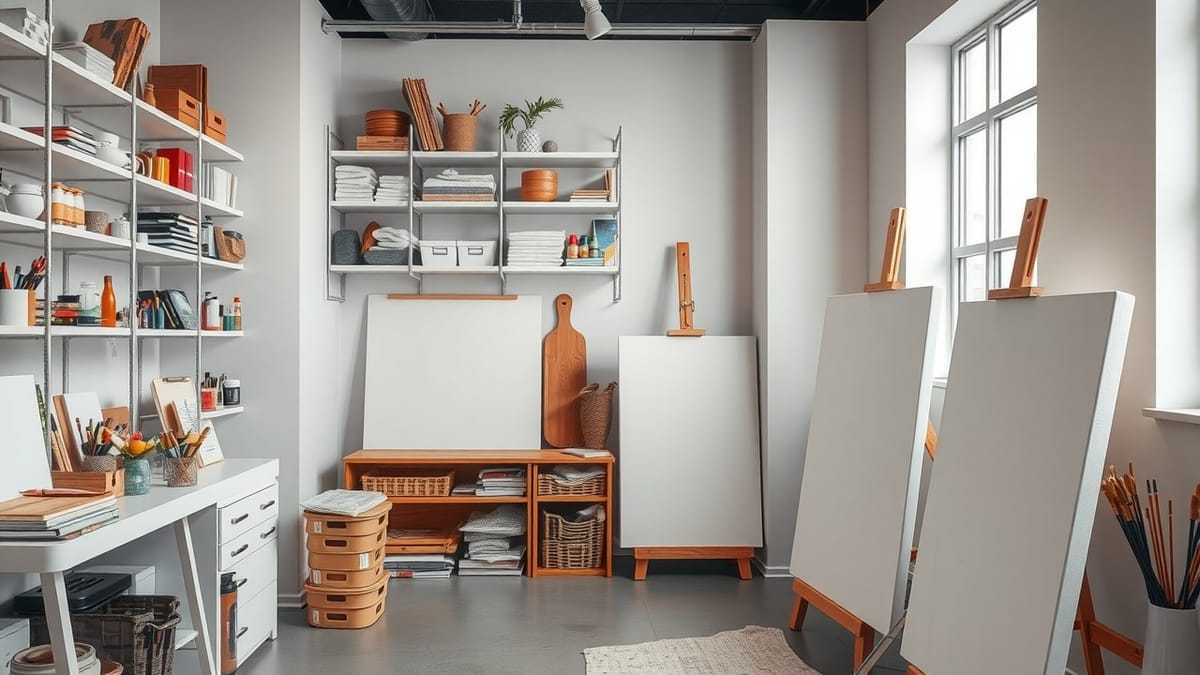
Canvas is a strong, woven fabric—traditionally made from linen or cotton—that artists use as a painting surface. It’s stretched tightly over a wooden frame (called stretcher bars) or sold loose on rolls, pads, or panels.
Think of it as the workhorse surface of painting: durable, versatile, and forgiving.
What canvas is made of
Linen canvas – made from flax
Strongest, most archival
Subtle weave, beautiful surface
More expensive (favored by professionals)
Cotton canvas – most common today
Affordable, flexible, widely available
Slightly less durable than linen but excellent for most uses
Synthetic blends – polyester or cotton-poly
Very stable, less prone to sagging
Not always favored for fine art, but useful
Why artists use canvas
Canvas became popular because it’s:
Lightweight (easier to transport than wood panels)
Flexible (less cracking than rigid surfaces)
Durable when properly primed
Scalable (works for tiny studies or huge paintings)
Common uses of canvas in art
🎨 Painting
Canvas is most often used for:
Acrylic painting (very popular)
Oil painting (classic choice)
Gouache or mixed media (with proper prep)
Raw canvas is almost always primed with gesso so paint doesn’t soak in and damage the fibers.
🖌 Texture & expressive work
Because of its weave, canvas is great for:
Palette knife painting
Heavy brushstrokes (impasto)
Layered, textured surfaces
The tooth of the canvas grabs the paint in a satisfying way.
🧪 Experimental & mixed media
Artists also use canvas for:
Collage
Acrylic pours
Ink, charcoal, pastel (when sealed or treated)
Resin art
Watercolor
You can sand it, texture it, or alter it with gels and grounds.
🖼 Finished art & display
Canvas is ideal for finished pieces because:
It doesn’t need glass
It’s easy to frame or hang unframed
Gallery-wrapped canvases look modern and clean
Types of canvas surfaces
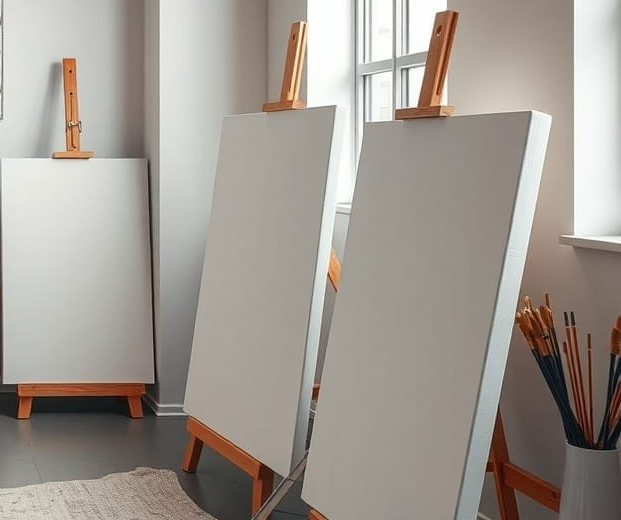
Stretched canvas – ready to paint, mounted on a frame
Canvas panels – canvas glued to board (great for practice)
Canvas pads – sheets for studies
Raw canvas – needs priming, total control
Canvas vs paper (quick comparison)
Canvas = texture, durability, depth
Paper = precision, smoothness, portability
Many artists use both, depending on the goal.